0112th century
Origins
The estate takes shape in the Middle Ages as part of the settlements of the Roman countryside. Roman fragments, marble and flint remain visible in its fabric.
History
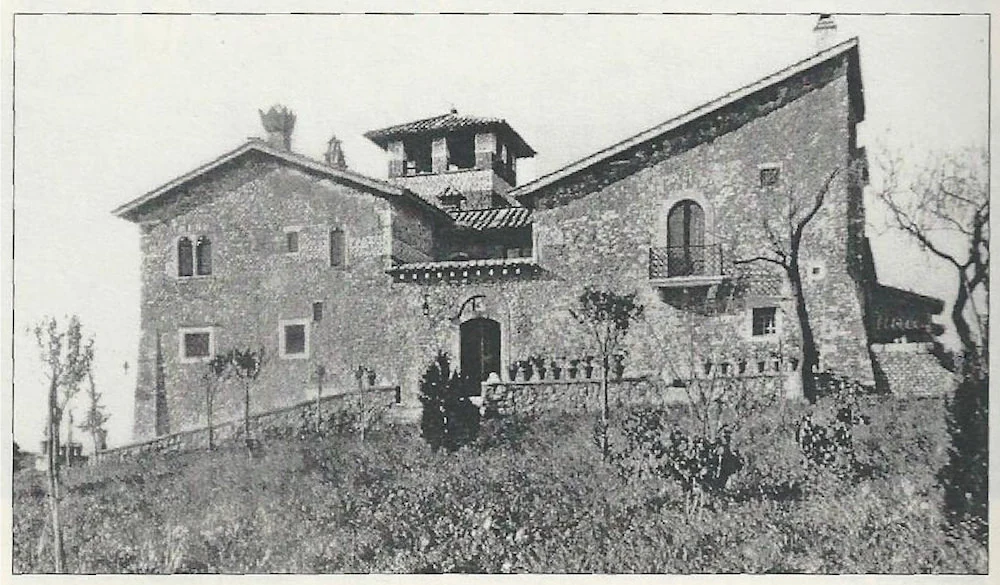
From its medieval origins to twentieth-century restoration, the Castle’s architecture reflects the history of the Roman countryside.
The estate takes shape in the Middle Ages as part of the settlements of the Roman countryside. Roman fragments, marble and flint remain visible in its fabric.
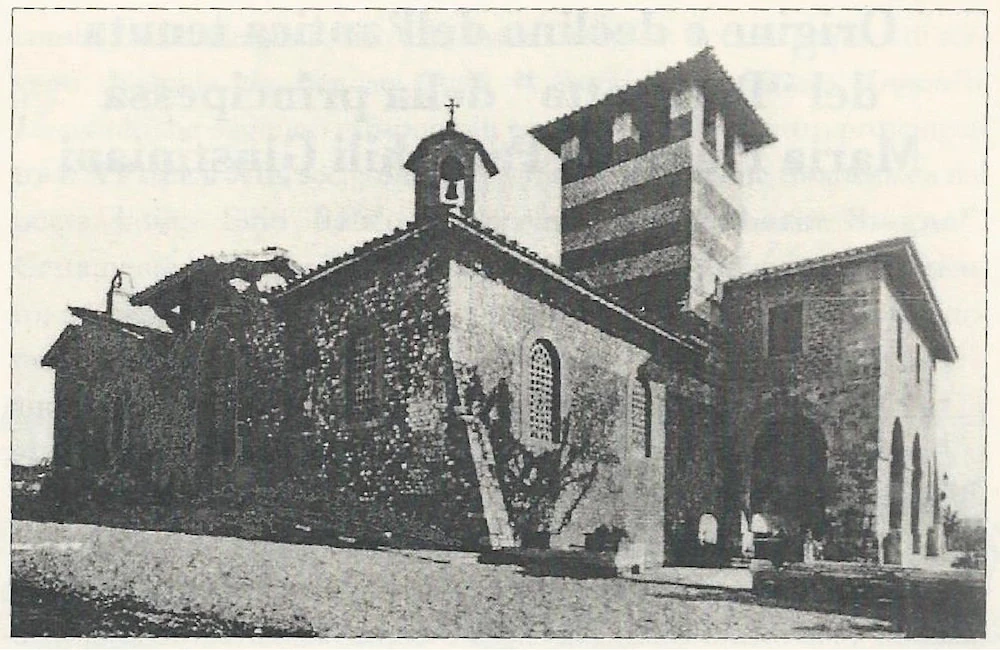
The small church is rebuilt and integrated into estate life. Its altar and decorative features are still preserved today.
Twentieth-century restoration associated with architect Lorenzo Cesanelli renewed the estate’s spaces while retaining its character as a rural Roman residence.
Historic rooms now host weddings, gatherings and productions while maintaining a direct relationship with the Roman landscape.
Architecture and memory
A visit brings the estate’s different periods into view through its tower, courtyard and chapel. Today, these spaces host weddings and events while retaining their connection with the architecture and landscape of the estate.
Book a private tour↗